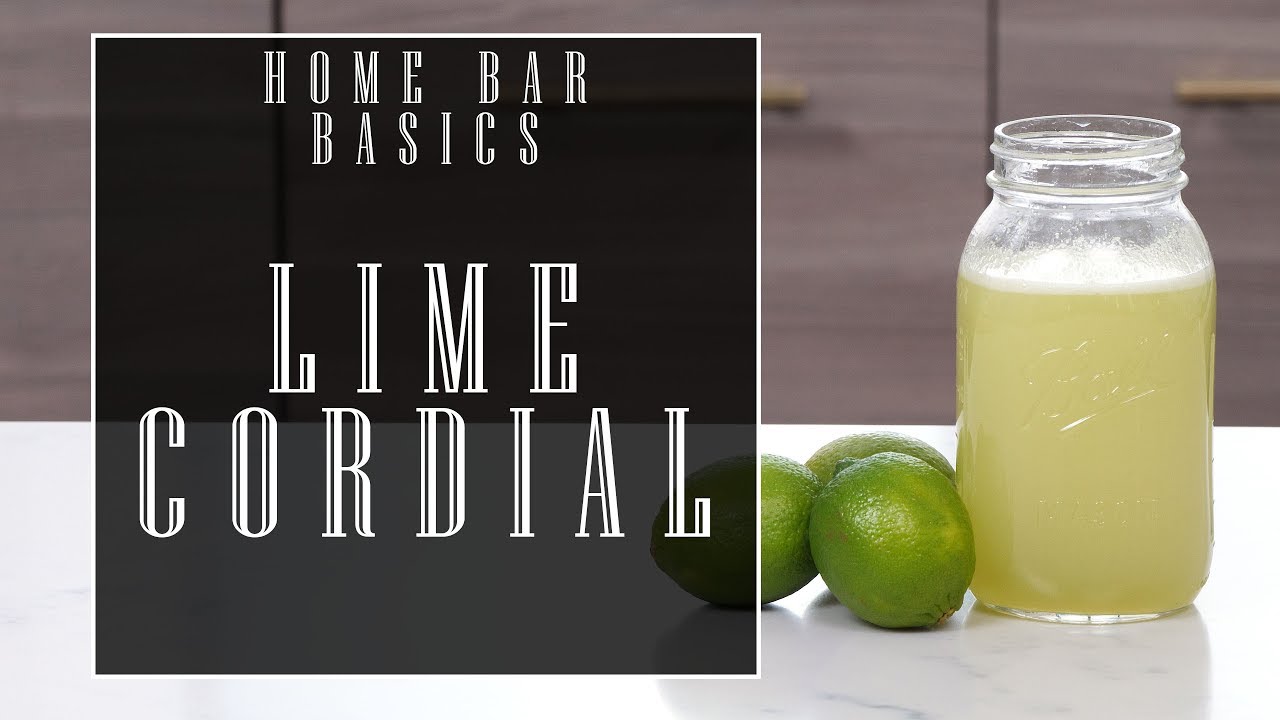
Let’s face it: store-bought mixers are often a disappointment. They tend to be overly sweet, oddly neon-colored, and taste more like a chemistry set than actual fruit. If you are still buying pre-made lime cordial or syrup for your cocktails and sodas, it is time for an intervention. Making your own lime syrup is ridiculously easy, significantly cheaper, and the flavor difference is night and day.
Whether you are a home bartender looking to elevate your Gimlet game or just someone who loves a zesty limeade on a hot afternoon, this guide covers everything. We aren’t just throwing ingredients in a pot; we are looking at the logic behind the ratios, the best methods to extract flavor, and how to store it so it doesn’t turn into a science experiment in your fridge.
Why You Should Ditch the Bottle and Make Your Own
There is a logical argument for making this from scratch. Commercial syrups often use high-fructose corn syrup and artificial preservatives to extend shelf life to near-immortality. While convenient, these additives dull the sharp, acidic “bite” that makes lime so refreshing.
When you make it at home, you control the variables. You decide the sugar-to-water ratio. You decide how much zest goes in. Most importantly, you are using real fruit. Fresh lime juice contains citric and malic acids that stimulate the palate in a way that shelf-stable citric acid just can’t replicate perfectly. Plus, let’s be honest, serving a drink with “homemade lime syrup” just sounds impressive.
The Science of Sweet and Sour: Ingredients
You don’t need a pantry full of exotic items. However, quality matters. Since there are only two main ingredients (sugar and limes), there is nowhere for low-quality ingredients to hide.
Choosing the Right Limes
Not all limes are created equal. You generally have two choices:
- Persian Limes: These are the standard grocery store limes. They are larger, thicker-skinned, and have a reliable tartness. They are perfect for this recipe.
- Key Limes: Smaller and more aromatic, but a nightmare to juice in large quantities. If you have the patience of a saint, go for it. Otherwise, stick to Persian limes.
Tip: Look for limes that feel heavy for their size and have smooth, slightly shiny skin. This usually indicates a high juice content.
Sugar: White, Cane, or Demerara?
For a classic, versatile lime syrup that won’t alter the color of your drinks, stick to standard white granulated sugar. It provides a clean sweetness that lets the lime shine.
If you want a richer, molasses-like undertone (perhaps for a rum-based cocktail like a Daiquiri), you can use Demerara or raw cane sugar. Just keep in mind this will turn your syrup brown, which might look odd in a clear gin cocktail.
Essential Equipment
You don’t need fancy gadgets, but having the right tools makes the process smoother and cleaner.
- A sharp knife and cutting board.
- A citrus juicer (handheld or electric—your wrists will thank you).
- A Microplane or fine grater (crucial for zest).
- A non-reactive saucepan (stainless steel or enamel). Avoid aluminum/iron as they react with acid and create a metallic taste.
- A fine-mesh strainer.
- A sterilized glass bottle or jar for storage.
Step-by-Step Lime Syrup Recipe
Here is the standard method used by bartenders and chefs. We aim for a balanced syrup that is sweet enough to preserve the juice but tart enough to bring the flavor.
Prep time: 10 minutes Cook time: 5 minutes Yield: Approximately 1.5 cups (12 oz)
Ingredients
- 1 cup Fresh Lime Juice: This usually requires about 8-10 medium limes.
- 1 cup Granulated Sugar: We are using a 1:1 ratio by volume for a balanced consistency.
- 1 tablespoon Lime Zest: This is the secret weapon for aromatic depth.
Instructions
1. Zest Before You Juice This is the most common rookie mistake. It is incredibly difficult to zest a squeezed lime. Before you cut them open, wash the limes thoroughly to remove any food-grade wax. Use your Microplane to gently remove the green part of the skin. Avoid the white pith underneath; the pith is bitter and will ruin your syrup.
2. Extract the Liquid Gold Cut your limes and juice them until you have one cup of liquid. Strain this juice quickly to remove seeds and large pulp, but don’t worry about fine pulp just yet.
3. Combine and Heat In your non-reactive saucepan, combine the sugar and the fresh lime juice. Add the lime zest you prepared earlier. Turn the heat to medium-low.
Note: Unlike simple syrup where we boil water, we want to be gentle here. Boiling lime juice can sometimes “cook” the fresh flavor, making it taste like marmalade rather than fresh fruit.
4. Dissolve and Infuse Stir the mixture gently until the sugar is completely dissolved. This should take about 3 to 5 minutes. Once the sugar is gone and the liquid looks clear (apart from the zest floating around), remove it from the heat.
5. The Steep Let the syrup sit in the pan as it cools down to room temperature. This isn’t just to save your fridge from hot liquid; it gives the zest time to release its essential oils into the syrup. This is where the magic happens.
6. Strain and bottle Place your fine-mesh strainer over a funnel and pour the syrup into your sterilized bottle. Press down on the zest solids with a spoon to extract every last drop of flavor before discarding them.
Pro Tip: The Oleo Saccharum Method (For Intense Flavor)
If you want to impress your friends or Google with your culinary knowledge, try the “Oleo Saccharum” technique. This is Latin for “oil sugar.”
Before adding any liquid, mix your lime zest and sugar in a bowl. Muddle them together and let it sit for 30 minutes. The sugar draws the essential oils out of the peels, creating a slushy, intensely aromatic paste. Dissolve this paste into your lime juice (or water) for a flavor profile that is significantly deeper and more complex than standard boiling.
Variations to Spice Things Up
Once you master the basic recipe, you can get creative. The culinary world loves a good hybrid flavor.
- Lime & Mint: Add a handful of fresh mint leaves during the cooling phase (step 5). Strain them out later. This makes an instant “Mojito Syrup.”
- Spicy Lime: Add a few slices of jalapeño or a pinch of chili flakes while heating. This works wonders in tequila cocktails.
- Ginger Lime: Simmer a few slices of fresh ginger with the sugar and juice. This creates a “Penicillin” style vibe that is great for colds or cocktails.
How to Use Your Lime Syrup
You have made it. It looks beautiful. Now, what do you do with it?
Cocktails and Mocktails
This is the most obvious use.
- The Gimlet: 2 oz Gin + 0.75 oz Lime Syrup. Shake with ice and strain. It’s classic, clean, and dangerous.
- Margarita Hack: If you are out of Triple Sec, you can use lime syrup and tequila for a “Tommy’s Margarita” style drink (though traditionally that uses agave, this is a great substitute).
- Instant Limeade: Mix 1 part syrup with 4 parts sparkling water/soda water. Add plenty of ice. This is a refreshing, non-alcoholic option that beats any soda can.
Culinary Uses
Don’t limit yourself to drinks.
- Fruit Salad Dressing: Drizzle a little over papaya, melon, or berries. The acid brightens the fruit flavors.
- Cake Moistener: Brush this syrup over sponge cake layers before frosting. It adds moisture and a zesty kick.
- Glaze: Brush it over grilled chicken or shrimp in the last minute of cooking for a caramelized citrus glaze.
Storage and Shelf Life
Because this recipe uses fresh juice, it will not last forever like a pure sugar syrup.
- Refrigerator: Store in a sealed glass bottle in the fridge. It will stay fresh for about 2 to 3 weeks.
- Freezer: Yes, you can freeze it! Since the sugar content is high, it might not freeze rock hard. You can freeze it in ice cube trays and pop a cube out whenever you need a single serving.
- Signs of spoilage: If it becomes cloudy (more than usual), develops mold on the surface, or smells fermented/yeasty, throw it out immediately. Safety first.
Frequently Asked Questions
Can I use bottled lime juice instead of fresh? Technically, yes. You can. But you shouldn’t. Bottled juice lacks the volatile aromatics that make limes smell like limes. The result will be flat and one-dimensional. If you are going to the effort of making syrup, squeeze the fruit.
Why did my syrup crystallize? This happens if the ratio of sugar to water is too high or if the water evaporated too much during heating. If you stick to the 1:1 ratio and don’t boil it vigorously, this rarely happens. If it does crystallize, you can gently reheat it to dissolve the crystals again.
Is this the same as Rose’s Lime Cordial? It is similar in concept but different in execution. Commercial cordials like Rose’s are often clearer and have a distinct, slightly artificial flavor profile that some classic cocktail recipes actually rely on. Your homemade version will taste fresher and more “real,” which most modern palates prefer.
Can I reduce the sugar? You can, but be careful. Sugar acts as a preservative. If you reduce the sugar significantly, you are essentially just making sweetened lime juice, which will spoil much faster—likely within a week. If you want less sugar, just use less syrup in your final drink.
Final Thoughts
Making lime syrup is a small investment of time that pays massive dividends in flavor. It bridges the gap between a “meh” drink and a “wow” drink. By controlling the ingredients and understanding the process, you ensure that everything you serve is high-quality and free from unnecessary chemicals.