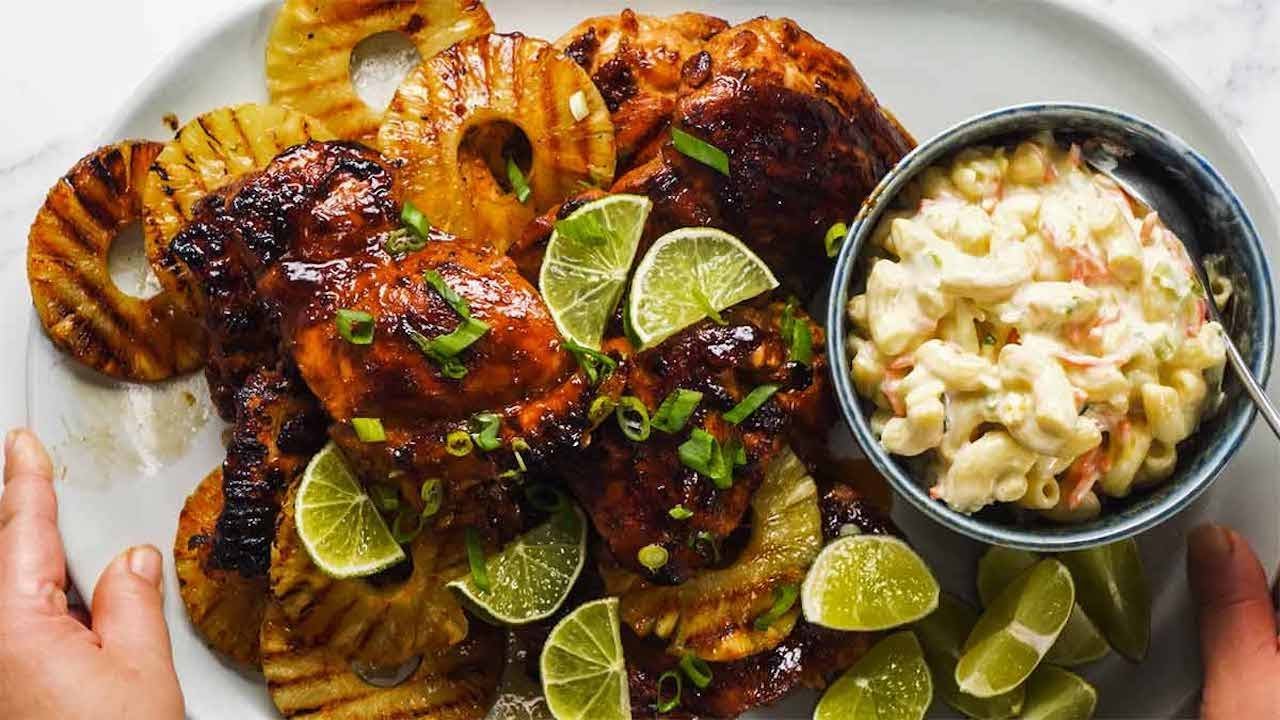
Imagine standing on the coast of Oahu. The sun is setting, the ocean breeze is hitting your face, and suddenly, a smell hits you. It’s sweet, it’s smoky, and it’s savory all at once. That, my friends, is the scent of Huli Huli Chicken. If you haven’t tasted this yet, your taste buds are technically filing a grievance against you right now.
But don’t worry. We are going to fix that today.
This isn’t just another grilled chicken recipe. This is a culinary institution. Huli Huli Chicken is the undisputed king of Hawaiian barbecue, famous for its sticky, caramelized glaze and the unique way it’s cooked. Whether you are a backyard grilling warrior or someone who just loves good food, mastering this dish will make you the most popular person in your zip code.
In this guide, we aren’t just throwing ingredients in a bowl. We are going to dive into the history, the science of the marinade, and the exact steps to get that perfect char without burning your dinner to a crisp.
What Exactly is Huli Huli Chicken?
If you speak Hawaiian, the name gives the secret away immediately. “Huli” means “turn.” So, Huli Huli Chicken literally translates to “Turn Turn Chicken.”
It sounds simple, but the magic is in the method. Traditional Huli Huli chicken is cooked between two mesh racks over mesquite wood (or kiawe wood, if you want to get technical about Hawaiian flora). The cooks flip the racks constantly “huli!” to prevent the sugary marinade from burning while building up layer upon layer of delicious glaze.
It’s rotisserie chicken’s cooler, sweeter cousin that went to surf camp and came back with a tan.
The History: A Happy Accident
We have Ernest Morgado to thank for this gift to humanity. In 1955, Morgado, a businessman with the Pacific Poultry Company, whipped up a teriyaki-style sauce using his mother’s recipe for a farmer’s gathering. The crowd didn’t just like it; they went absolutely wild.
Realizing he had struck gold, Morgado started selling the chicken at school fundraisers and church events. It became a staple. In fact, it became so popular that Morgado actually trademarked the name “Huli-Huli” in 1958. For decades, you couldn’t legally sell “Huli Huli Chicken” unless you bought the sauce from him.
Today, while the trademark still exists for the bottled sauce, the term has become the universal name for this style of Hawaiian barbecue.
The Science Behind the Flavor
Why is this chicken so addictive? It comes down to basic food chemistry. The marinade relies on a “holy trinity” of flavor profiles:
- Sweetness (Brown Sugar & Pineapple): This isn’t just for taste. The sugar caramelizes when it hits the heat. This creates that sticky, glossy finish that makes the chicken look like it was painted by a food stylist.
- Salt & Umami (Soy Sauce): The soy sauce penetrates the meat, seasoning it from the inside out. It balances the high sugar content so you don’t feel like you’re eating candy.
- Acid (Ketchup, Vinegar, or Pineapple Juice): Acid tenderizes the meat. Pineapple juice contains an enzyme called bromelain, which breaks down protein chains. If you marinate it too long, your chicken turns to mush. But if you time it right? It becomes incredibly tender.
- Aromatics (Ginger & Garlic): Fresh ginger is non-negotiable here. It adds a spicy kick that cuts through the richness of the soy and sugar.
Authentic Huli Huli Chicken Recipe
Now, let’s get to the part you came here for. We are going to replicate that fundraiser-style flavor right in your backyard.
Prep time: 20 minutes Marinating time: 4-8 hours Cook time: 30 minutes
The Ingredients Checklist
Don’t use substitutions if you can help it. Real flavors come from real ingredients.
- Chicken: 4-5 lbs. Thighs are best because they stay juicy. You can use a whole cut-up chicken, but breast meat dries out faster.
- Pineapple Juice: 1 cup. Canned is fine, but fresh is better.
- Soy Sauce (Shoyu): 1 cup. Use a high-quality brand like Aloha or Kikkoman.
- Brown Sugar: ¾ cup, packed. Light or dark both work, but dark adds more molasses flavor.
- Ketchup: ½ cup. Yes, ketchup. Trust the process.
- Sherry or Chicken Broth: ¼ cup. Authentic recipes often use a splash of sherry for depth.
- Fresh Ginger: 2-inch piece, grated. Don’t use the powder.
- Garlic: 4-5 cloves, minced.
- Sesame Oil: 1 teaspoon. A little goes a long way.
- Sriracha or Red Pepper Flakes: Optional, if you want a tiny kick.
Step-by-Step Instructions
Step 1: The Marinade Grab a medium bowl. Whisk together the pineapple juice, soy sauce, brown sugar, ketchup, sherry, ginger, garlic, and sesame oil. Mix it until the sugar is completely dissolved.
Pro Tip: Take about 1 cup of this marinade and set it aside in the fridge. You will use this for basting later. Do not baste your cooked chicken with the liquid the raw chicken was swimming in. That is a recipe for food poisoning, and we want happy guests, not sick ones.
Step 2: The Soak Place your chicken pieces in a large Ziploc bag or a glass baking dish. Pour the remaining marinade over the chicken. Massage it in to ensure every piece is coated.
Seal it up and put it in the fridge. Let it marinate for at least 3 hours. If you can do 8 hours, that is ideal. Do not go over 24 hours, or the pineapple enzyme will turn your chicken texture into something resembling wet paper.
Step 3: Prep the Grill Huli Huli is a grilled dish. You need fire. If you are using charcoal, pile the coals on one side to create direct and indirect heat zones. You want a medium-high heat (around 375°F to 400°F). If you have access to mesquite wood chips, soak them and throw them on the coals. That smoke flavor is a key signature of the original recipe.
Step 4: The “Huli” (The Turn) Oil your grill grates well. Place the chicken on the grill. Here is the rule: Turn often. Because there is so much sugar in this marinade, it will burn if you leave it alone. Cook the chicken for about 20-30 minutes total. Every 3 to 5 minutes, shout “Huli!” (optional, but fun) and flip the chicken. In the last 10 minutes of cooking, start brushing on that reserved marinade you set aside earlier. This builds the glaze.
Step 5: The Rest Once the internal temperature hits 165°F (74°C), pull the chicken off the grill. Let it rest for 5-10 minutes. This lets the juices redistribute. If you cut it immediately, the juice runs out, and the chicken gets dry.
How to Get the Perfect Char (Without Burning It)
This is the biggest challenge newbies face. Sugar burns at 350°F. If your grill is a blazing inferno, your chicken will be black on the outside and raw on the inside.
- Use Indirect Heat: If the chicken is browning too fast, move it to the cooler side of the grill. Let it roast there, then move it back over the direct heat at the end to crisp up the skin.
- Baste Late: Don’t start basting with extra sauce until the chicken is almost done. If you baste raw chicken at the start, the sauce burns before the meat cooks.
- Keep the Lid Closed (Mostly): Only open it to turn the meat. This keeps the oven-like temperature consistent.
Serving Suggestions: The Plate Lunch Style
You cannot just serve this chicken on a bare plate. That is culturally inaccurate. To get the full Hawaiian “plate lunch” experience, you need the proper supporting cast.
- Macaroni Salad: This is essential. Creamy, tangy Hawaiian mac salad creates a perfect contrast to the salty, sticky chicken.
- Sticky White Rice: Two scoops. It acts as a sponge for any extra sauce.
- Pineapple Rings: Throw some pineapple slices on the grill for 2 minutes. The caramelized fruit pairs beautifully with the savory meat.
- Green Onions: Sprinkle some chopped scallions on top for a pop of color and freshness.
Why This Dish Conquered Hawaii
Food tells a story about the place it comes from. Hawaii is a melting pot of cultures—Native Hawaiian, Japanese, Portuguese, Chinese, Filipino, and American.
Huli Huli Chicken is the perfect representation of this blend.
- Soy Sauce and Ginger: Japanese influence.
- Brown Sugar/Molasses: Plantation era influence.
- Grilling Method: Native Hawaiian influence.
When Ernest Morgado first made this, he wasn’t trying to invent a fusion cuisine. He was just using what was available and popular in the islands. The result was a dish that feels deeply local. It’s comfort food that reminds locals of weekends, beaches, and family gatherings.
Can I Bake This in the Oven?
Okay, I know not everyone has a grill or lives in a climate where grilling is possible year-round.
Yes, you can bake it. But you have to cheat a little to get the texture right.
The Oven Method:
- Preheat oven to 400°F (200°C).
- Place chicken on a wire rack over a baking sheet (lined with foil for easy cleanup).
- Bake for 35-40 minutes.
- Important: Turn the broiler on for the last 3-5 minutes. Keep a close eye on it. The broiler will mimic the grill’s direct heat and caramelize the sugars. It won’t have the smoky flavor, but it will still be delicious.
Frequently Asked Questions
Is Huli Huli Chicken gluten-free? Naturally, no. Soy sauce contains wheat. However, you can easily make it gluten-free by swapping standard soy sauce for Tamari or coconut aminos. The flavor profile remains almost identical.
How long does the cooked chicken last? It stays good in the fridge for 3 to 4 days. In fact, cold leftover Huli Huli chicken makes an incredible sandwich or salad topping the next day.
Can I use chicken breast? You can, but be careful. Chicken breast has very little fat. The high heat of the grill can turn it into leather quickly. If you must use breast, pound the meat so it has an even thickness and marinate it for less time (4 hours max) to prevent the acid from making it chalky.
What creates the red color? In some commercial versions, they might add food coloring, but the traditional reddish-brown hue comes from the mixture of brown sugar, ketchup, and smoked paprika (if used) caramelizing over the fire.
Final Thoughts
Cooking is about more than just nutrients. It’s about experience. Huli Huli Chicken offers a sensory trip to the islands without the price of a plane ticket. It is sticky, messy, and absolutely glorious.
So, fire up that grill. Buy some extra napkins. And remember the most important rule: don’t forget to huli that chicken.